


Beyond rehabilitation, Oasis treadmills can be used for fitness training, weight control and even as a diagnostic tool in a veterinary clinical setting. Our innovative models allow you to find the one that fits the needs of your pet patients and practice.
Disclaimer: H2O For Fitness regularly implements design changes and improvements to its products. Accordingly, all images and videos may not be an exact representation of current product lines or features. Please contact H2O For Fitness with any questions.
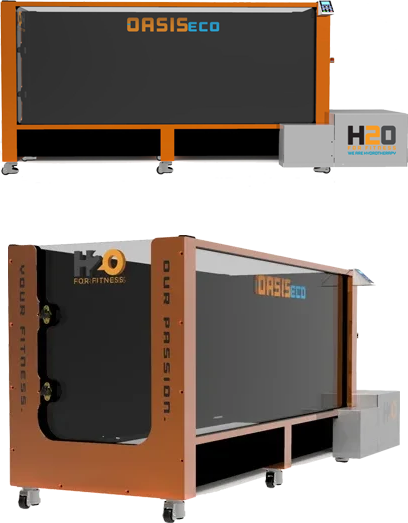
Oasis ECO

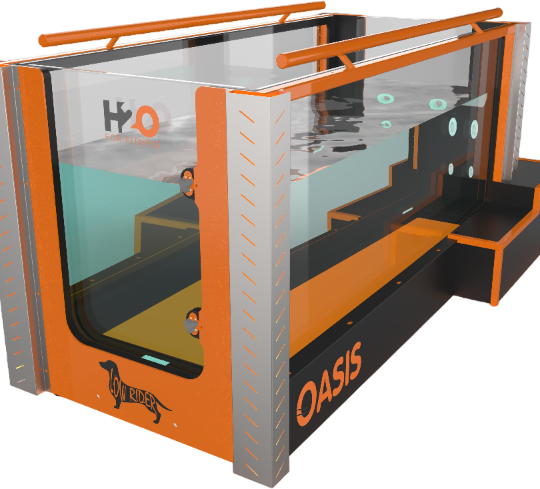
The Oasis –
OASIS CANINE UNDERWATER TREADMILL
Oasis underwater treadmills are the gold-standard in the field of canine aquatic therapy with high quality, unique design, and attention to detail.
Beyond rehabilitation, Oasis treadmills can be used for fitness training, weight control and even as a diagnostic tool in a veterinary clinical setting. Our innovative models allow you to find the one that fits the needs of your pet patients and practice.

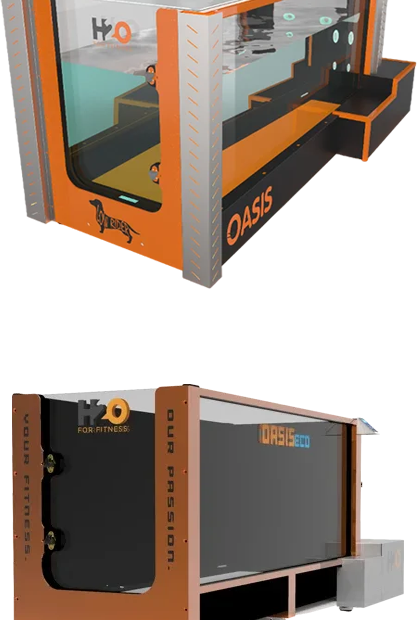
OASIS ECO
Our most economical underwater treadmill, the Oasis ECO provides functional quality at an affordable price. The compact, sleek design frees up space while delivering every benefit of pet aquatic therapy.

OASIS PRO
With our top-of-the-line model, the Oasis PRO accommodates breeds of all shapes and sizes. This unit is tailor made to your specification creating a fully immersive hydrotherapy experience for every pet.


Hydrotherapy Benefits
The Oasis is the premier offering in the field of physical rehabilitation via hydrotherapy. The natural buoyancy of water assists in minimizing the weight placed on muscles and joints for low impact workouts to aid in recovery from injury.
Comfortable form of exercise for an overweight pet.
Build muscle and cardiovascular endurance with customizable workouts.
Observe mobility deficits in a controlled setting.
Exercise for post-surgical, and degenerative issues. Recover from crucial repairs, hip abnormalities, spinal cord damage, joint replacement, muscle/tendon/ligament damage, etc. Treatment option for Degenerative Myelopathy, Osteoarthritis, Dysplasia, disc disease, neurologic issues, etc.
FAQs About Canine Underwater Treadmills
What is underwater treadmill therapy for dogs and how is it different from canine pool hydrotherapy?
Underwater treadmill therapy for dogs (also called canine hydrotherapy or canine aquatic treadmill therapy) is used in veterinary rehabilitation and combines water with controlled treadmill walking.
Unlike swimming pools, an underwater treadmill allows precise control of water depth, speed, temperature, and time. The dog is able to unload around 65% of their body weight while working on their natural walking gait. This reduces joint stress, improves muscle activation, and allows safer physical rehabilitation in the early healing stages.
What are the benefits of hydrotherapy with an underwater treadmill for dogs?
The properties of water, like buoyancy, resistance, and hydrostatic pressure, create a welcoming environment to help accelerate recovery, reduce pain during movement, improve range of motion, and build strength and cardiovascular fitness in dogs.
Veterinary rehabilitation, specifically dog physical therapy, can lead to quicker functional gains in post-surgical, neurological, and geriatric patients. Key benefits include:
- Speedier post-operative recovery after TPLO, CCL repair, and fracture repair
- Improved mobility for dogs with osteoarthritis and hip dysplasia
- Safe weight-loss and conditioning programs for overweight dogs
- Better gait retraining after neurological injury (IVDD, degenerative myelopathy)
- Enhanced quality of life for senior dogs with limited tolerance to exercise on land
How much do you charge for canine hydrotherapy?
Typical 30-minute session pricing ranges from $65 to $125. This allows for enough time to get the dog in the chamber, exercise, and towel-dry them off after the session. Packages of 6 to 10 sessions can be offered, or aquatic therapy for dogs can be included with the surgical estimate and/or grouped in with different tiers of rehab, weight-loss, pain-management, or senior wellness plans. An initial evaluation charge should be added in as well.
What type of ROI can one expect when adding underwater treadmill therapy to a veterinary rehab practice?
Many veterinary clinics can achieve a break-even and/or positive return on investment (ROI) within 12 to 18 months. Charging an average of $65 per 30 minutes, with 2 to 4 pets a day, pays for the investment while elevating your practice offerings to a new standard of care. Giving pet owners alternatives to traditional pet pain management options, options for geriatric wellness, and companion animal weight loss will assist in creating better compliance and customer loyalty.
How much space is needed for a veterinary underwater treadmill?
A canine underwater treadmill typically requires a footprint of 75 to 150 sq. ft., depending on the unit installed. A facility should plan for proper patient entry/exit, the ability to observe the dog’s gait while walking, and space for routine maintenance. Providing a drawing of the room with the dimensions of the space will allow the underwater treadmill manufacturer to create a custom layout with those items taken into consideration.
What type of infrastructure or facility requirements are needed to accommodate an aquatic treadmill installation?
The basics required are:
- A dedicated electrical circuit, typically around 220V, 50 Amps
- A floor drain at least 2” in diameter
- Water access for filling
- Floor load capacity when filled with water
Other infrastructure that needs to be considered is access for the delivery of the equipment. Outlining the access to the building, through hallways, and the width of doorways will help ensure a smooth installation.
Which conditions respond best to aquatic therapy for dogs and small animals?
Canine underwater treadmill therapy can be effective for post-surgical orthopedic cases, neurological conditions, osteoarthritis, pet obesity, and geriatric mobility issues. Top indications include:
- Post-op orthopedic issues: TPLO, TTA, cruciate repair, surgery for hip dysplasia or elbow dysplasia, patellar luxation, and recovery from repaired fractures
- Neurologic conditions: Intervertebral disc disease (IVDD), degenerative myelopathy (DM), FCE, vestibular disease, and post-spinal surgery
- Chronic conditions: Osteoarthritis, joint pain, geriatric arthritis, muscle atrophy
- Obesity: Incorporated into a structured weight-loss program
- Athletic conditioning: sporting dogs, working dogs, law enforcement canines
- Non-surgical intervention: muscle, tendon, and/or ligament injuries, when surgery is contraindicated
Water’s buoyancy lessens limb and joint loading for earlier and safer movement than with land-based exercise alone.
What is included with a dog underwater treadmill and how does it work?
A typical veterinary underwater treadmill includes a separate water storage reservoir, filtration, heater, water transfer pumps, and the exercise chamber housing the treadmill. This arrangement allows for the water to be treated, heated, filtered, recirculated, and recycled between uses for proper water maintenance and efficiency.
The way it works is that the pet enters the empty treadmill chamber, and it gets filled with water up to the appropriate height for the weight distribution desired for the session. From here, the veterinary therapist can control the speed, water height, and time based on the protocol designed for that pet. After the session is completed, the water is emptied back into the water storage tank, the pet exits, and then gets towel-dried off.
How does underwater treadmill therapy integrate with land-based canine rehab?
Both types of therapies complement each other in a variety of ways. Canine hydrotherapy gets used in the early phase after surgery or acutely after injury, where weight-bearing should be limited, but promoting a normal gait pattern is desired. When a pet has gained more confidence and can tolerate more weight on their musculoskeletal system, land-based therapies can be added to promote strength, coordination, and functional movement. Combining these therapies optimizes recovery outcomes for orthopedic, neurologic, and sports medicine cases.
What should I look for when buying a veterinary underwater treadmill?
When researching aquatic canine underwater treadmills, choose a veterinary-specific underwater treadmill with adjustable water depth, variable speeds suitable for cats and small/large dogs, clear viewing panels, and ease of entry/exit without the need for ramps. Prioritize systems that offer:
- Reliable warranties and responsive technical support
- Proven durability in high-volume settings
- Easy cleaning and disinfection protocols
- A known country of origin and are comfortable with their service record
Does pet insurance cover underwater treadmill therapy or veterinary hydrotherapy?
Coverage for physical therapy and veterinary hydrotherapy varies by pet insurance provider and policy. Many pet insurance plans may reimburse canine rehabilitation or underwater treadmill therapy when prescribed by a veterinarian for medically necessary treatment after surgery, injury, or neurologic disease. Veterinary practices should encourage pet owners to contact their insurance provider regarding rehabilitation benefits, coverage limits, and documentation requirements.